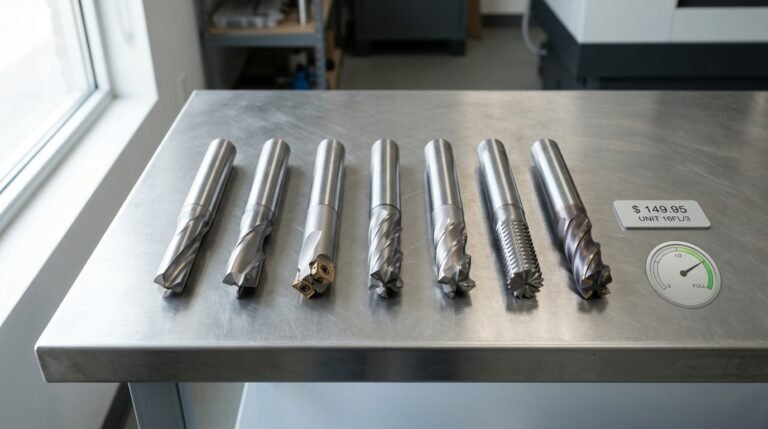
CNC technology has completely transformed the woodworking industry — from handcrafted precision to automated perfection. However, the router bit remains the heart of every operation. Choosing the correct bit type can mean the difference between a flawless finish and costly rework.
In this article, we’ll explore the five most essential CNC router bit types every woodworking factory should know — and how manufacturers like ZC-TOOLS engineer each design for performance, stability, and long service life.
1. Flat End Mill
Best for: Slotting, cutting, and surface milling
Flat end mills (also known as flat bottom bits) are the most common cutting tools for CNC woodworking. They provide clean, flat-bottomed cuts ideal for grooving, pocketing, and trimming panel materials.
💡 Pro Tip: For MDF or plywood, use carbide-tipped flat end mills for durability and sharpness.
ZC-TOOLS applies high-precision grinding to each end mill, ensuring consistent edge sharpness and smoother bottom surfaces.
2. Ball Nose Bit
Best for: 3D contouring, carving, and decorative surfaces
Ball nose bits have a rounded tip that allows smooth transitions when cutting curves and contours. They are widely used in cabinet panels, furniture components, and relief carving.
💡 Common Issue: Using the wrong feed rate can leave visible tool marks.
Solution: ZC-TOOLS offers balanced ball nose bits that minimize vibration and produce cleaner 3D surface finishes.
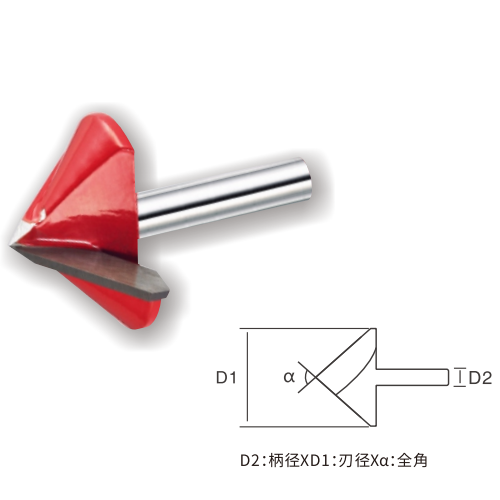
3. V-Groove Bit
Best for: Engraving, lettering, sign-making, and decorative edges
The V-Groove router bit creates angled cuts, ideal for aesthetic details or sign carving. Depending on the angle (usually 60° or 90°), users can achieve different depths and line effects.
💡 Pro Tip: Use a lower feed rate for narrow grooves to maintain edge definition.
ZC-TOOLS designs precision-ground V-Groove Bits for acrylic, PVC, and solid wood — ensuring crisp lines and minimal burrs.
4. Compression Bit
Best for: Laminated plywood, MDF, and veneered boards
Compression bits combine up-cut and down-cut flutes, pressing the laminate layers toward the center during cutting. This prevents edge tear-out and delivers clean surfaces on both top and bottom.
💡 Why It Matters: For furniture manufacturers, clean edges reduce sanding and finishing costs.
ZC-TOOLS’ Carbide Compression Cutters are optimized for high-speed CNC machines, maintaining accuracy even under heavy-duty workloads.
5. Tapered Ball Nose Bit
Best for: Deep 3D carving, mold making, and artistic wood design
The tapered shape adds rigidity, reducing vibration during deep cuts. This makes it a favorite among craftsmen who require high-detail carving in hardwood or composite material.
💡 Pro Tip: Use tapered bits with smaller step-down settings for smoother surfaces.
ZC-TOOLS engineers each tapered ball nose cutter for extended tool life, even under long machining cycles.
⚙️ Comparison Table
| Bit Type | Ideal Use | Material | ZC-TOOLS Advantage |
| Flat End Mill | Slotting, trimming | MDF, plywood | Precision ground, long life |
| Ball Nose Bit | 3D carving | Hardwood, resin board | Low vibration, smooth finish |
| V-Groove Bit | Engraving | Wood, PVC | Sharp edge retention |
| Compression Bit | Panel cutting | MDF, veneer | Tear-out prevention |
| Tapered Ball Nose | Deep carving | Hardwood | High rigidity, stable cutting |
✅ Conclusion
Each CNC router bit has its own role in woodworking production. Understanding their design and application helps factories achieve better surface quality, higher precision, and longer tool life.
ZC-TOOLS continues to provide comprehensive cutting solutions for woodworking professionals — from panel processing to 3D carving — helping you choose the right tool for every job, every time.