MDF destroys cutting tools faster than almost any other wood-based material — and the reason has everything to do with what’s hiding inside those smooth, uniform panels. The best cutting tool material for MDF depends on your production volume and budget, but tungsten carbide (TCT) handles 90% of MDF cutting jobs effectively, while polycrystalline diamond (PCD) dominates in high-volume industrial settings where tool life justifies the premium. This guide breaks down exactly why each material performs the way it does on MDF, and helps you pick the right one without overspending.
What Makes MDF So Abrasive and Hard on Cutting Tools
MDF looks harmless. It’s smooth, uniform, and machines beautifully — at first. But beneath that friendly surface lies a material that eats through cutting edges at a rate that surprises even experienced woodworkers.
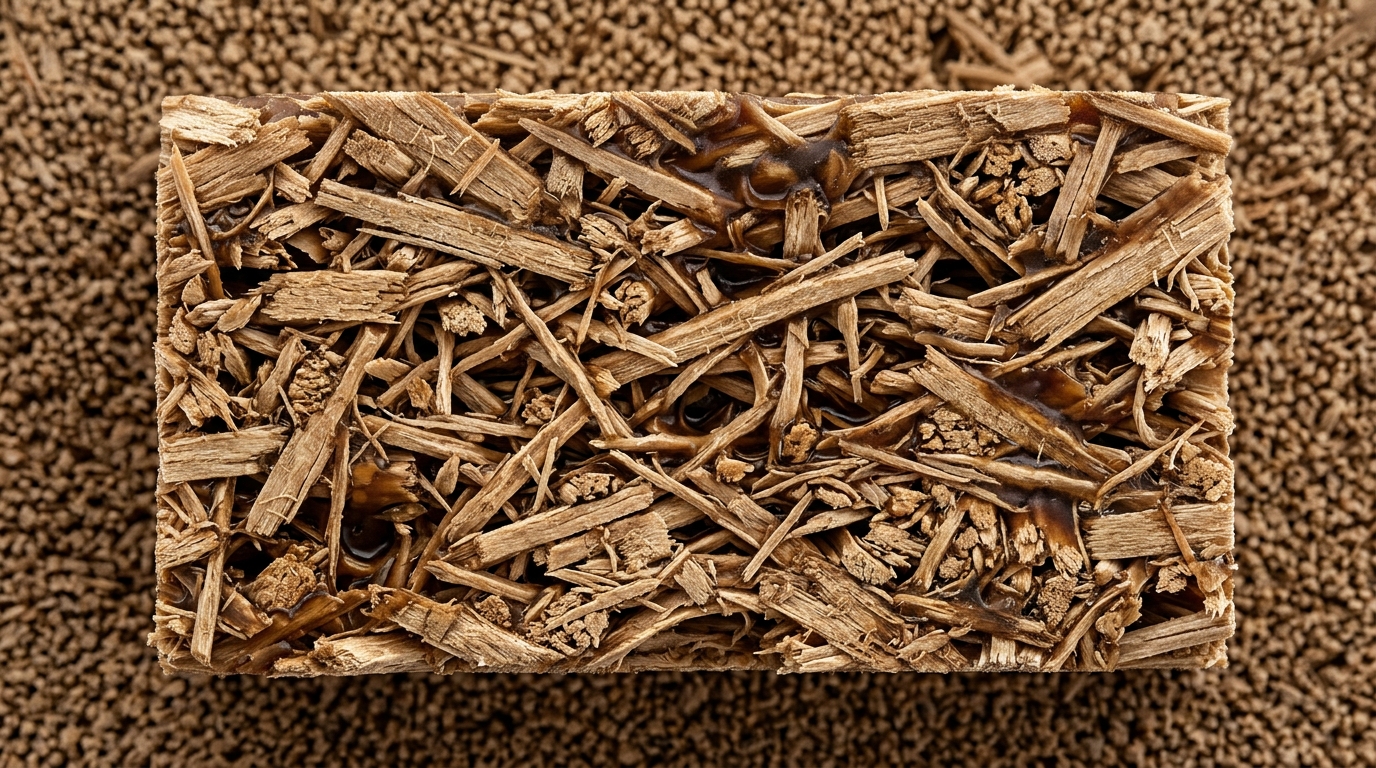
The culprit is the manufacturing process itself. Medium-density fiberboard is made from wood fibers bonded together under high heat and pressure using urea-formaldehyde (UF) resin, and sometimes melamine-urea-formaldehyde for moisture-resistant grades. That resin constitutes roughly 8–15% of the board by weight, and it’s significantly harder than the wood fibers it binds together. Every cut through MDF means your tool edge is grinding through a matrix of hardened adhesive — not just soft cellulose.
Then there’s the silica problem. Wood naturally contains silicon dioxide (silica) in trace amounts, but the recycled wood sources used in MDF production can push silica content higher. Some studies from the USDA Forest Products Laboratory have documented silica levels in composite panels that are measurably higher than in the parent wood species. Silica is abrasive — it’s essentially microscopic sand particles embedded throughout the board.
The density factor compounds the issue. Standard MDF runs between 680–830 kg/m³ (roughly 42–52 lbs/ft³), which is denser than most hardwoods. Higher density means more material contact per revolution of the blade or bit. Your cutting edge never gets a break — there are no grain variations, no soft earlywood zones, no natural voids to provide momentary relief. It’s relentless, uniform abrasion from the first millimeter to the last.
This combination — resin hardness, silica content, and uniform high density — is why a blade that cuts solid pine for weeks might last only days on MDF. Understanding this sets up the most important decision you’ll make: what your cutting tool is made of.
Tungsten Carbide (TCT) as the Go-To Tool Material for MDF
For the vast majority of MDF cutting — whether you’re a cabinet shop running a panel saw or a hobbyist with a table saw — tungsten carbide tipped (TCT) tooling is the practical sweet spot. There’s a reason it dominates the market, and it’s not just about price.
Tungsten carbide sits at roughly 89–93 HRA on the Rockwell hardness scale, which gives it serious resistance to the abrasive forces MDF throws at a cutting edge. Compared to high-speed steel (which we’ll get to), carbide maintains a sharp edge approximately 10–20 times longer when cutting engineered wood panels. That’s not a marketing number — it’s a consistent finding across real-world shop testing.
Where TCT Excels on MDF
Carbide-tipped circular saw blades with 60–80 teeth (for a 10″ or 12″ blade) deliver clean, chip-free edges on standard MDF when properly configured. The key is tooth geometry: alternate top bevel (ATB) or triple-chip grind (TCG) configurations work best. TCG is particularly effective because the flat-top raker tooth clears material while the beveled teeth score the surface, reducing the micro-chipping that MDF is prone to.
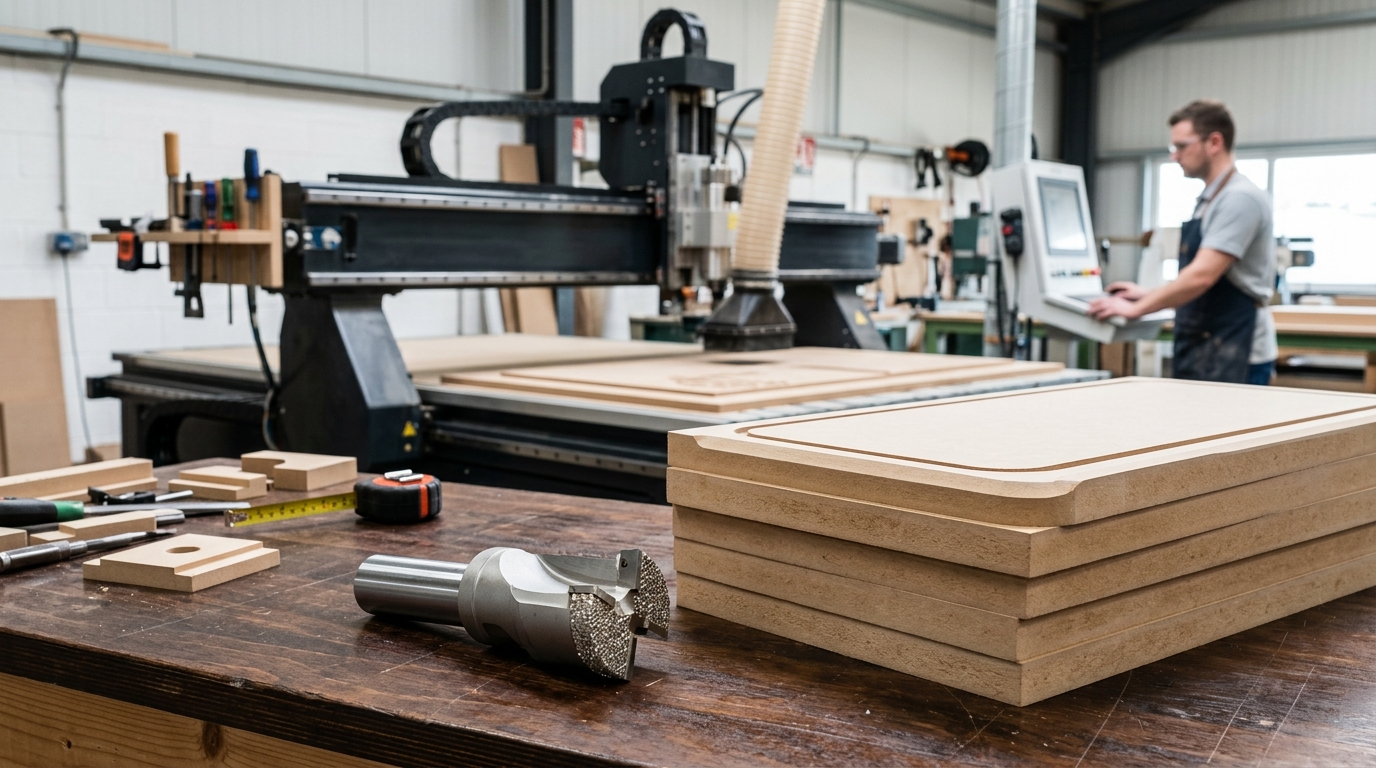
For routing and profiling MDF edges, carbide-tipped router bits handle decorative edge profiles, dado cuts, and template work reliably. A quality carbide spiral bit on a CNC router can process several hundred linear meters of MDF before needing replacement — not infinite, but predictable enough for production planning.
Realistic Lifespan Expectations
Here’s where many people get misled. Tool manufacturers often quote lifespan numbers based on ideal conditions. In practice, expect a good TCT saw blade to deliver roughly 500–1,500 linear meters of cut on standard MDF before the edge quality degrades noticeably. That range varies enormously based on feed rate, RPM, dust extraction, and the specific carbide grade used.
Micrograin carbide (grain size below 1 μm) outperforms standard carbide grades on MDF by a meaningful margin — typically 30–50% longer edge life. If you’re buying carbide tools specifically for MDF work, ask your supplier about the carbide grade. It matters more than most people realize.
The cost equation is straightforward. A quality carbide-tipped saw blade runs $30–$120 depending on diameter and tooth count, and can be resharpened 3–5 times before the carbide tips are too worn. That puts your per-cut cost well below any other option except PCD at very high volumes.
Polycrystalline Diamond (PCD) for High-Volume and Industrial MDF Cutting
PCD tooling is where the economics flip. At low volumes, it’s overkill. At high volumes, it’s the only option that makes financial sense.
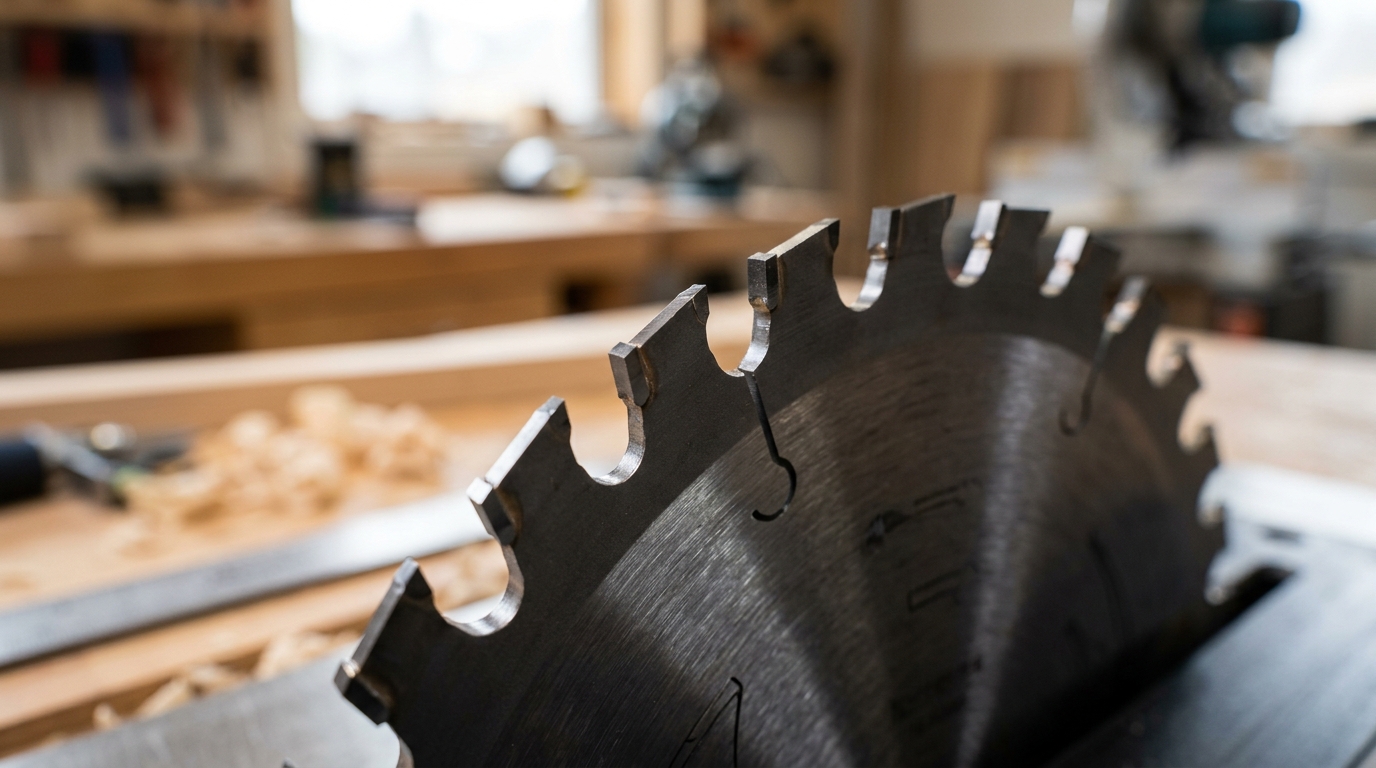
Polycrystalline diamond is exactly what it sounds like — synthetic diamond particles sintered together at extreme temperatures and pressures, then brazed onto a tool body. Diamond is the hardest known material, and PCD cutting edges resist the abrasive wear of MDF up to 50–100 times longer than standard carbide. That’s not a typo. A PCD router bit that costs $300 might outlast ten $40 carbide bits while delivering consistently cleaner cuts throughout its entire lifespan.
The Break-Even Calculation
A PCD saw blade or router bit typically costs 5–10x more than its carbide equivalent upfront. So when does the investment pay off?
Consider a CNC nesting operation cutting MDF panels for kitchen cabinets. If you’re running two shifts and processing 50+ full sheets per day, a carbide router bit might last 2–3 days before edge quality drops below acceptable standards. That means tool changes, machine downtime, and inconsistent quality on the panels cut near the end of the tool’s life. A PCD bit in the same application might run for 2–3 months before needing service.
The hidden savings go beyond the tool cost itself:
- Reduced downtime — fewer tool changes means more cutting hours per shift
- Consistent edge quality — PCD doesn’t gradually degrade the way carbide does; it stays sharp, then drops off more abruptly
- Lower scrap rates — fewer panels rejected for rough edges or chipping
- Reduced labor — operators spend less time monitoring tool condition and swapping cutters
For shops processing more than roughly 100 full MDF sheets per week, PCD almost always wins the cost-per-cut analysis. Below that threshold, carbide is usually more practical. The exact crossover point depends on your labor costs, machine hourly rate, and quality requirements.
One limitation worth noting: PCD is brittle compared to carbide. It handles the sustained abrasion of MDF beautifully, but it’s more vulnerable to impact damage — hitting a screw, a clamp, or even aggressive interrupted cuts can chip a PCD edge. Careful fixturing and clean material handling are non-negotiable with PCD tooling.
Why High-Speed Steel (HSS) Falls Short for MDF
HSS tools are cheap, widely available, and perfectly fine for cutting solid softwoods. For MDF? They’re a false economy.
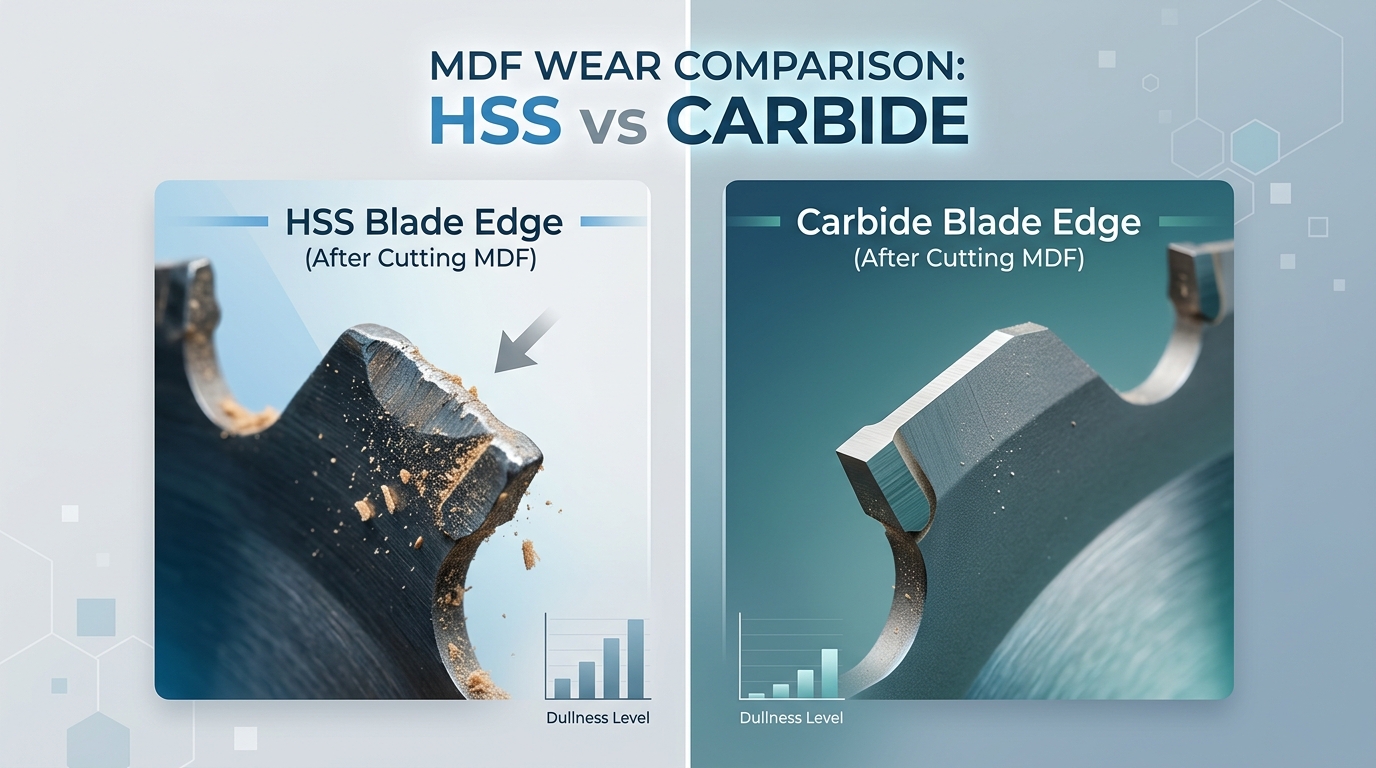
High-speed steel tops out around 62–65 HRC — hard enough for natural wood, but nowhere near hard enough to resist the abrasive cocktail inside MDF. In practical terms, an HSS blade cutting MDF will lose its effective edge in a fraction of the time a carbide blade would. We’re talking hours of cutting, not days.
The Real Cost of “Cheap” HSS on MDF
The purchase price looks attractive. An HSS circular saw blade might cost $8–$15. But here’s what actually happens when you use it on MDF:
The edge dulls rapidly, which increases cutting resistance. Increased resistance means more heat. More heat accelerates the dulling. It’s a vicious cycle that produces burned edges, fuzzy surfaces, and excessive dust — all signs that the tool is rubbing rather than cutting. If you’ve ever noticed dark scorch marks on MDF edges, a dull HSS tool is almost certainly the cause.
Frequent blade changes eat into productive time. If you’re swapping blades every few hours instead of every few days, the labor cost alone exceeds the savings on the blade. And the rough edge quality from a dull HSS tool often means additional sanding — another hidden cost that doesn’t show up on the tool receipt.
There’s one narrow exception. For a single, one-time cut on MDF — maybe trimming a shelf to fit — an HSS blade you already own will get the job done. But buying HSS specifically for MDF work? That’s throwing money away with extra steps. Even for occasional use, a basic carbide-tipped blade is a better investment.
Other Tool Materials Worth Considering — Cermet, Coated Carbide, and Diamond-Coated Options
Between standard carbide and full PCD, there’s a middle ground that doesn’t get enough attention. These options won’t suit every shop, but they’re worth knowing about.
Coated Carbide (TiAlN, TiN, and Similar)
Applying a thin-film coating like titanium aluminum nitride (TiAlN) to carbide tool tips adds a layer of heat and wear resistance. For MDF cutting, coated carbide typically extends tool life by 20–40% over uncoated carbide at a price premium of roughly 15–30%. It’s a sensible upgrade if you’re already buying quality carbide tooling and want to squeeze more life out of each blade or bit without jumping to PCD pricing.
The coating doesn’t change the fundamental tool — it’s still carbide underneath. Once the coating wears through (which happens at the cutting edge first), you’re back to standard carbide wear rates. Resharpening removes the coating at the cutting edge, so the benefit is primarily on the first life of the tool.
Cermet Inserts
Cermet (ceramic-metal composite) inserts offer hardness between carbide and PCD, with good heat resistance. They’re used in some specialized MDF cutting applications, particularly on high-speed panel sizing saws. The trade-off is increased brittleness — cermet doesn’t handle vibration or interrupted cuts as well as carbide. For dedicated, stable cutting setups with consistent material, cermet can be a cost-effective step up. For general shop use with variable setups, it’s risky.
CVD Diamond-Coated Tools
Chemical vapor deposition (CVD) diamond coatings represent a relatively newer option that bridges the gap between coated carbide and solid PCD. A thin layer of diamond is grown directly onto the carbide substrate, providing significantly better wear resistance than any metallic coating while costing less than PCD.
CVD diamond-coated router bits have gained traction in CNC operations cutting MDF and particleboard. They typically last 5–15x longer than uncoated carbide — not as long as PCD, but at perhaps 2–3x the price rather than 5–10x. For mid-volume shops that find carbide too short-lived but can’t justify PCD, this is the sweet spot many overlook.
How to Match the Right Tool Material to Your MDF Project
Picking the right tool material isn’t about finding the “best” in absolute terms. It’s about matching the tool to your specific situation. A hobbyist building one bookshelf has completely different needs than a factory cutting 200 kitchen cabinet panels per day.
The Decision Framework
Volume is the primary driver. If you’re cutting MDF occasionally — a few sheets per month — carbide is the obvious choice. The tools are affordable, widely available, resharpenable, and deliver good results. Spending more on PCD or diamond-coated options won’t pay back at low volumes.
If you’re running a production shop processing MDF daily, start calculating your cost per linear meter of cut. Factor in the tool price, number of resharpenings, downtime for changes, and scrap from degraded edge quality. This analysis almost always reveals that stepping up to PCD or CVD diamond-coated tools saves money over time once you cross a certain volume threshold.
MDF Type Matters Too
Not all MDF is created equal. Moisture-resistant MDF (often called “green MDF” for the dye added to identify it) uses melamine-fortified resins that are harder than standard UF resin — expect roughly 10–15% faster tool wear compared to standard MDF. Ultralite MDF, on the other hand, is less dense and somewhat easier on tools, though the resin content is still the primary wear factor.
Laminated or melamine-faced MDF adds another challenge entirely. The melamine surface layer is extremely hard and abrasive, and it demands a sharp edge to cut cleanly without chipping. For laminated MDF, carbide with a triple-chip grind or specialized anti-chip geometry is the minimum. PCD is preferred in production settings.
Quick Comparison Table
| Tool Material | Relative Cost | Edge Life on MDF | Best For | Resharpenable? |
|---|---|---|---|---|
| HSS | $ | Very short (hours) | Emergency/one-time cuts only | Yes, but not worth it for MDF |
| Carbide (TCT) | $$ | Good (days–weeks) | General shop use, low-to-mid volume | Yes, 3–5 times |
| Coated Carbide | $$–$$$ | Good+ (20–40% over carbide) | Mid-volume, extended first life | Yes, but coating lost |
| CVD Diamond | $$$ | Very good (5–15x carbide) | Mid-to-high volume CNC | Limited |
| PCD | $$$$ | Exceptional (50–100x carbide) | High-volume production, CNC nesting | Yes, by specialist services |
Tips to Extend Tool Life When Cutting MDF Regardless of Material
Even the best tool material underperforms when the cutting parameters are wrong. These adjustments apply whether you’re running carbide or PCD — and they can double your effective tool life without spending an extra dollar on tooling.
Get the Feed Rate and RPM Balance Right
MDF’s uniform density means you can (and should) run consistent, optimized parameters. The goal is to maintain a chip load that produces actual chips, not fine dust. If your tool is creating only powder, the feed rate is too low relative to RPM — the tool is rubbing rather than cutting, generating excess heat and accelerating wear.
For CNC router bits in MDF, a chip load of 0.3–0.5 mm per tooth is a solid starting point for carbide tooling. Too aggressive? You’ll get deflection and rough edges. Too light? Heat buildup and premature dulling. The relationship between tool geometry and cutting parameters is worth understanding deeply if you process MDF regularly.
Dust Extraction Is Non-Negotiable
MDF produces an enormous volume of fine dust. Beyond the well-documented health hazards (formaldehyde exposure, respiratory irritation), that dust wreaks havoc on tool life. Fine MDF particles trapped in the cut act as an additional abrasive, grinding against the tool edge. Effective dust extraction — not just a shop vac, but properly designed collection at the point of cut — measurably extends tool life.
On CNC routers, ensure your dust shoe or shroud is properly positioned. A 10% improvement in chip evacuation can translate to a 15–20% improvement in tool life. That’s not a guess — it’s a pattern I’ve seen confirmed across multiple production environments.
Don’t Ignore Climb vs. Conventional Cutting Direction
On CNC routers and router tables, climb cutting (where the tool rotation and feed direction agree) generally produces cleaner edges on MDF and slightly less tool wear than conventional cutting. The catch: climb cutting requires a rigid setup. On a handheld router, it can grab and kick. On a CNC with proper workholding, it’s the preferred approach for MDF profiling.
Resharpen Before It’s Too Late
A common mistake: running a tool until the cut quality is obviously terrible, then resharpening. By that point, you’ve removed more carbide than necessary to restore the edge, reducing the total number of resharpenings the tool can handle. Resharpen when you first notice a quality drop — slight fuzziness on the edge, slightly more effort required — not when the cuts are visibly rough. This alone can give you one or two extra resharpenings over the tool’s lifetime.
Frequently Asked Questions About Cutting Tool Materials for MDF
Can carbide-tipped blades be resharpened for continued MDF use?
Yes, and you should. A quality TCT blade can be resharpened 3–5 times by a professional sharpening service, each time restoring near-original cutting performance. The cost is typically 20–30% of a new blade, making it one of the best value moves in any woodshop. Just make sure the sharpening service maintains the original tooth geometry — a poorly resharpened blade performs worse than a moderately dull one.
Do standard wood blades work on MDF?
If they’re carbide-tipped, yes — with caveats. A general-purpose carbide-tipped wood blade will cut MDF, but it won’t last as long or cut as cleanly as a blade optimized for panel materials. For best results on MDF, look for blades with a higher tooth count (60+ for 10″ blades), TCG or Hi-ATB tooth geometry, and a low or negative hook angle to reduce tear-out. If the blade is HSS (no carbide tips), avoid using it on MDF beyond occasional emergency cuts.
How can you tell when a tool is too dull for clean MDF cuts?
Watch for these signs in order of appearance: first, slight fuzziness on the cut edge that wasn’t there with a fresh tool. Then, increased cutting noise — a dull tool sounds higher-pitched and more strained. Next, burn marks or discoloration on the MDF edge. Finally, the tool requires noticeably more force to push through the material (on handheld tools) or the CNC spindle load increases. Don’t wait for the last two signs — resharpen or replace at the fuzzy edge stage.
Does laminated MDF require different tooling than standard MDF?
The core MDF is the same, but the melamine or laminate surface layer changes the equation significantly. That surface is harder and more brittle than the MDF core, making it prone to chipping if the tool isn’t sharp or the geometry isn’t right. Triple-chip grind (TCG) blades are strongly recommended for laminated MDF, and scoring blades on panel saws are standard practice in production environments. For CNC routing of laminated MDF, compression spiral bits — which cut upward on the bottom face and downward on the top face — deliver chip-free edges on both surfaces simultaneously.
Is PCD worth it for a small to mid-size cabinet shop?
It depends entirely on your MDF volume. If you’re cutting fewer than 20–30 full sheets per week, carbide is almost certainly more cost-effective. Between 30–100 sheets per week, run the numbers — PCD might make sense for your most-used tools (like a CNC nesting bit) while carbide covers everything else. Above 100 sheets per week, PCD is almost always the right call for primary cutting tools. Start with one PCD tool for your highest-volume operation and track the actual cost per cut versus carbide. The data will make the decision obvious.
What about using spiral router bits versus straight bits for MDF?
Spiral bits outperform straight bits on MDF in almost every measurable way. The spiral geometry provides a shearing cut rather than a chopping cut, which produces smoother edges and generates less heat. Spiral bits also evacuate chips more efficiently — critical for MDF’s heavy dust production. The only advantage of straight bits is lower cost and simplicity for very basic cuts. For anything beyond rough sizing, spiral carbide or spiral PCD bits are the better choice for MDF.