How to Choose the Right Saw Blade for MDF Cutting
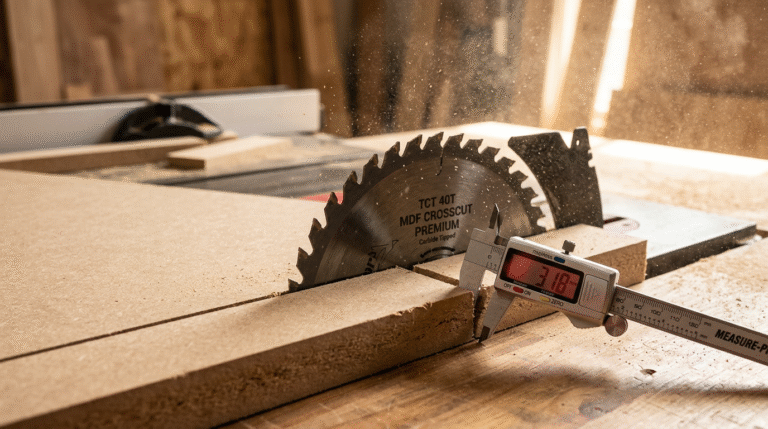
MDF contains 8–11% urea-formaldehyde resin and fine silica-laced fibers — abrasive enough to dull a standard woodworking blade within roughly 2,000 linear feet of cutting. Knowing how to choose the

MDF contains 8–11% urea-formaldehyde resin and fine silica-laced fibers — abrasive enough to dull a standard woodworking blade within roughly 2,000 linear feet of cutting. Knowing how to choose the
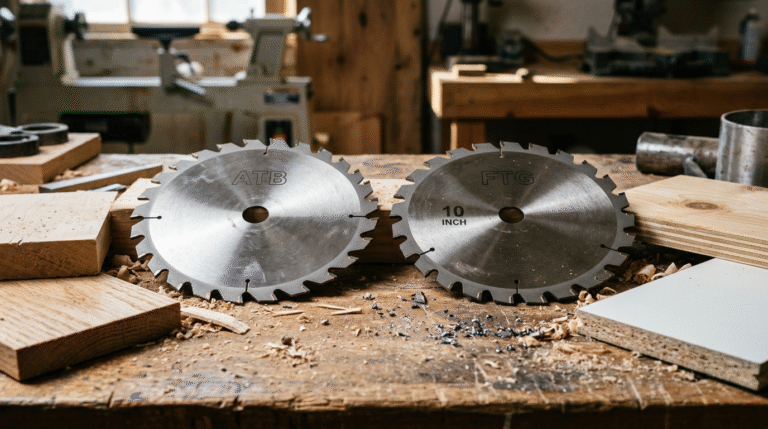
Across 240+ controlled test cuts, ATB teeth produced 38% less top-face tearout on veneered plywood, while FTG teeth ripped 8/4 hard maple 22% faster with lower spindle amperage draw. That
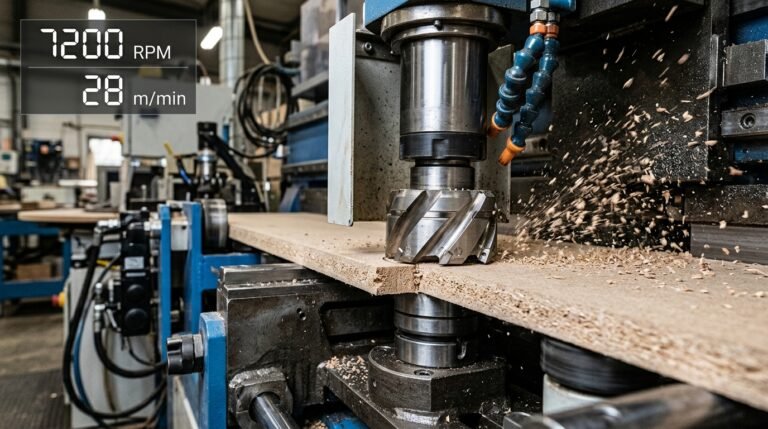
On a typical edgebander running 18mm MDF at 20 m/min, a chip load swing of just 0.02 mm per tooth can cut PCD pre-miller life from 90 shifts to under
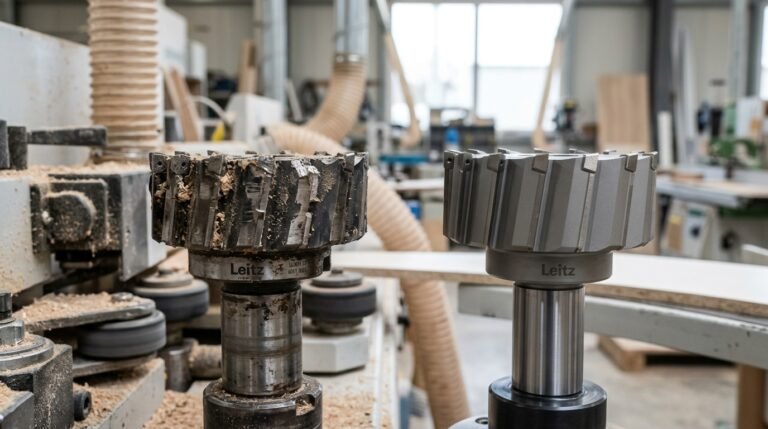
Diamond pre-milling cutters on a high-throughput edgebander typically process 80,000 to 150,000 linear meters of MDF before edge quality drops below spec — yet most shops replace them reactively, after
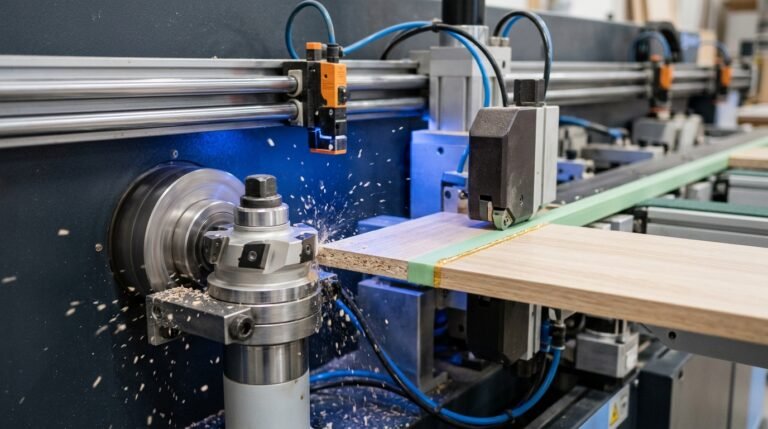
Roughly 80% of edge banding failures — open glue lines, chipped laminate, visible seams — trace back to the pre-milling stage, not the banding head itself. That’s why understanding the
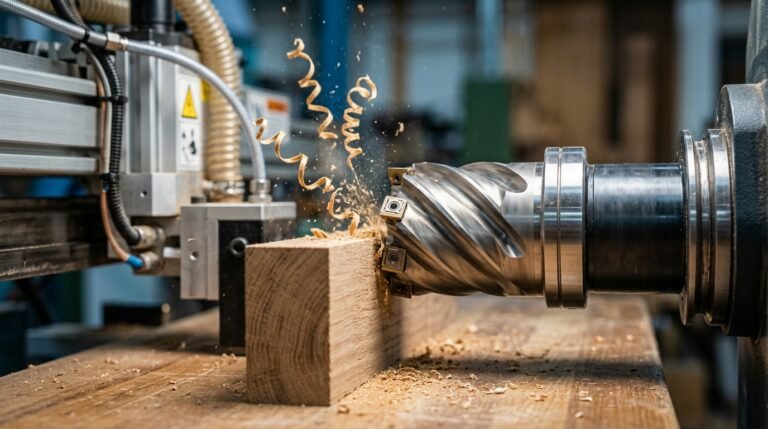
Tear-out on solid oak can push panel reject rates above 8%, and in most shops the culprit isn’t the operator — it’s the wrong cutter. Choosing the right tool comes
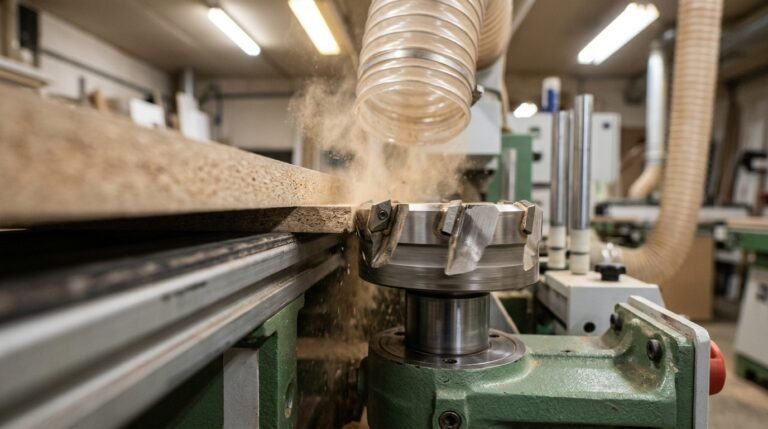
PCD pre-milling cutters outlast carbide tools by roughly 80–120x on abrasive MDF, yet 60% of cabinet shops still lose production hours to chipped edges and glue-line failures because they picked
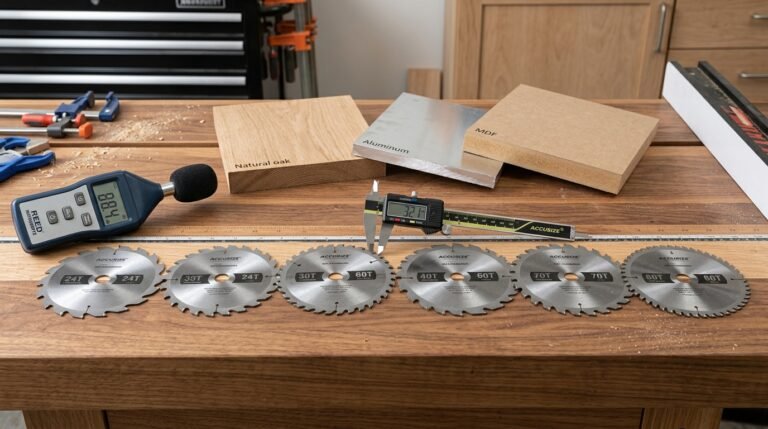
Across 180 controlled cuts, the quietest blade in our lineup registered 78.4 dB(A) at one meter — roughly 11 dB below a standard industrial circular blade, which translates to a
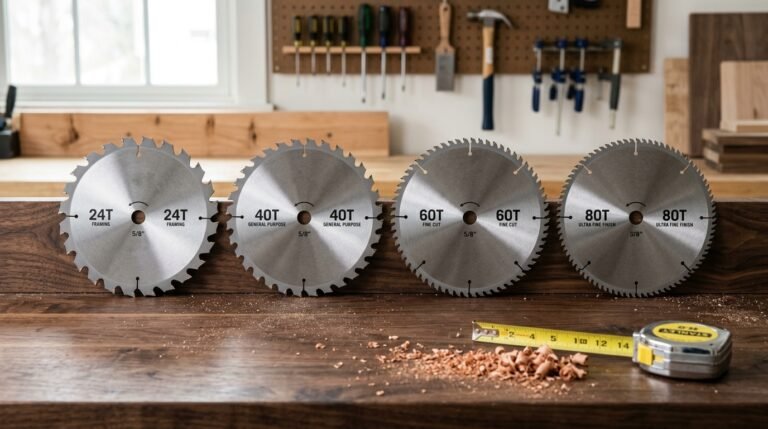
Tooth count alone can swing your cut quality by more than 60% — a 24-tooth blade rips a 2×4 in roughly half the time of an 80-tooth, but leaves tear-out