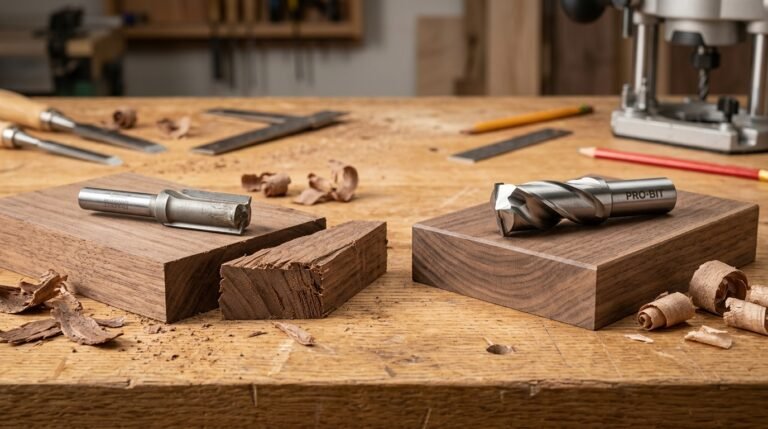
In woodworking drilling tasks, one of the most common showdowns is the Auger vs Brad Point Drill Bits. While both can create perfectly round holes in wood, their design philosophies are vastly different: one aims for surgical precision, while the other focuses on bulldozer-like deep drilling power.
Understanding the key differences between them is essential for improving woodworking craftsmanship, protecting wood surfaces, and extending the lifespan of your tools.
What is a Brad Point Drill Bit?
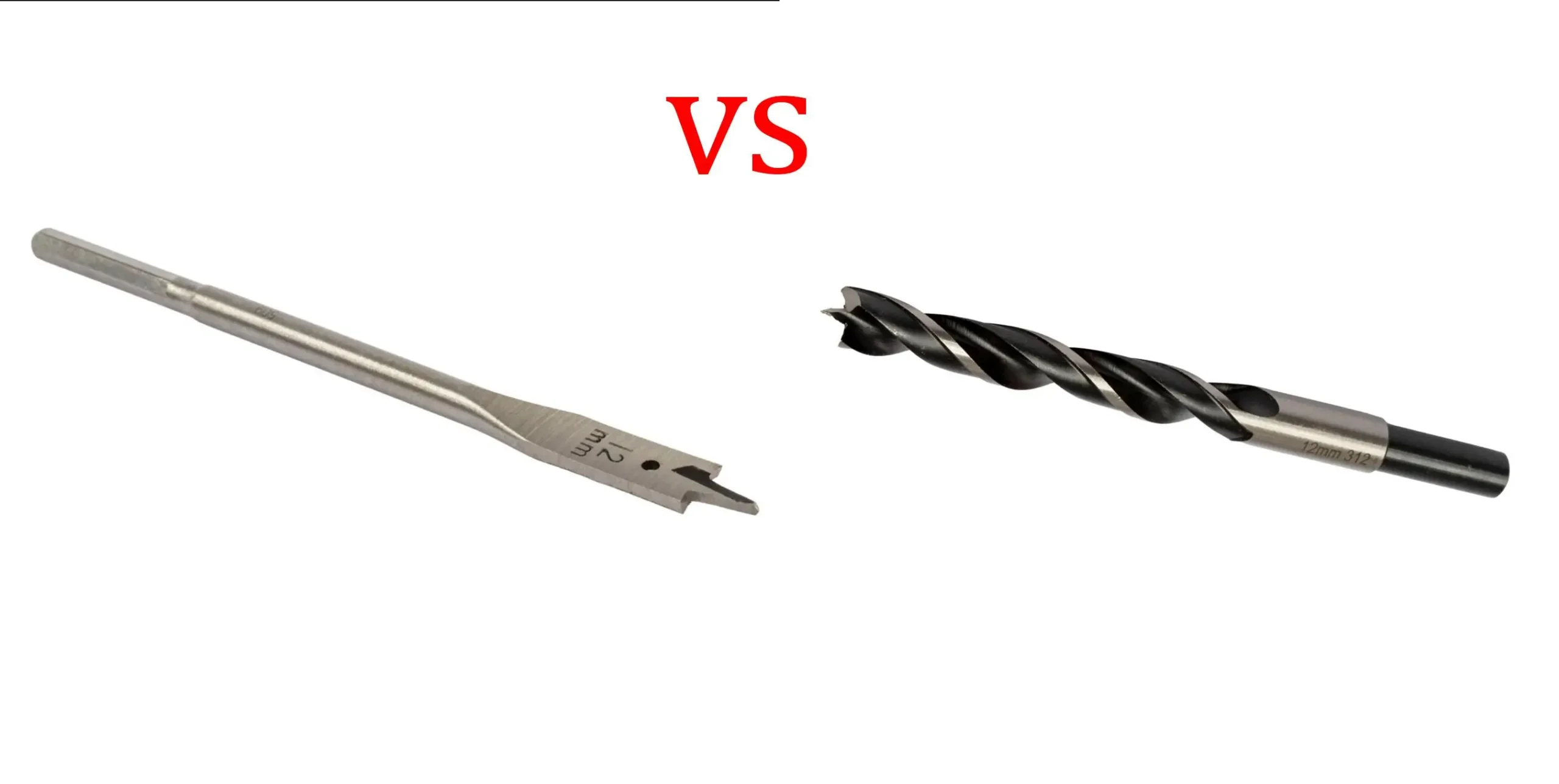
A Brad Point Drill Bit is a woodworking-specific drill bit with a sharp central point at the tip, ensuring precise hole positioning and preventing wood fibers from tearing at the exit.

Brad-Point Boring Bit (2-Flute, Extra Spiral Flute)-for Line Boring Machines
What is an Auger Drill Bit?
An Auger Drill Bit is a drill with a threaded guiding tip and deep spiral flutes. It uses the self-feeding thread to pull the bit into the material and is specifically designed for quickly boring deep holes in thick wood or soil while efficiently removing debris.
Key Differences Between Auger and Brad Point Drill Bits
Although both the Brad Point Drill Bit and the Auger Drill Bit are commonly used woodworking tools, they are designed for different purposes and applications.
- The Brad Point bit features a sharp central point and two outer cutting spurs at the tip, making it ideal for drilling very precise, clean shallow holes in thin to medium-thickness wood. Its design focuses on preventing wood fibers from tearing.
- On the other hand, the Auger bit is specifically made for working with thick wood and deep-hole tasks. It uses a threaded tip for self-feeding and wide spiral flutes to efficiently remove large amounts of debris.
In practice, if surface finish and highly accurate hole positioning are the priorities, the Brad Point bit is the better choice; but for drilling through thick beams or performing high-volume deep-hole work, the Auger bit excels in efficiency and chip removal.
| Feature | Brad Point Drill Bit | Auger Drill Bit |
| Appearance | Similar to twist bits, with three sharp points at the tip. | Shaped like a corkscrew with a deep, single spiral flute. |
| Tip Design | Sharp centering pin (Brad) to prevent walking/skidding. | Threaded screw tip that automatically pulls the bit into the wood. |
| Drilling Depth | Best for shallow or standard depth holes. | Specifically designed for deep holes (stays straight). |
| Chip Removal | Average; flutes can clog in very deep holes. | Excellent; wide flutes clear large amounts of waste quickly. |
| Main Use | Fine furniture, cabinetry, and precision drilling. | Construction framing, boring through thick beams, and wiring/plumbing. |
Which Drill Bit Should You Choose for Woodworking?
Choosing the right woodworking drill bit mainly depends on your specific requirements for hole precision and depth.
When making fine furniture, cabinets, or mortise-and-tenon joints, and you need shallow holes with clean edges and accurate positioning, the Brad Point Drill Bit is the ideal choice. Its central point keeps the bit steady to prevent wandering and effectively reduces tearing on the wood surface.
On the other hand, if you are building house frames, drilling through thick beams, or need to bore holes several inches deep, the Auger Drill Bit should be your first choice. Its threaded tip automatically bites into the wood and feeds the bit, while the wide spiral flutes ensure rapid removal of chips from deep holes, preventing the bit from jamming during operation.
Tips for Using Auger and Brad Point Drill Bits Effectively
Usage Tips for Auger Bits and Brad Point Bits
Brad Point Bits
- Startup Control: Start at a low speed to let the center point stabilize the position. Once the outer spurs have scored the wood surface, you can moderately increase the speed to minimize tearing around the entry hole.
- Debris Management: Develop a habit of backing the bit out frequently. This clears wood chips from the flutes and prevents friction-induced heat that could scorch the wood or damage the bit’s temper.
Auger Bits
- Feeding Control: The threaded tip pulls the bit into the wood automatically, so there is no need to push down hard. Instead, maintain a firm grip on the drill to regulate the feed rate and prevent the bit from jumping forward, which could lead to jamming or wrist injury.
- Power Matching: Since these are typically used for deep holes, use a drill with low speed and high torque. You should still periodically retract the bit to ensure the flutes remain clear of debris.
- Universal Technique:
- Preventing Breakout: Regardless of the bit type, placing a piece of scrap wood (backup board) underneath the workpiece will effectively prevent the wood from splintering or blowing out as the bit exits the back side.
Conclusion
When choosing between Auger and Brad Point Drill Bits, the final decision ultimately depends on your specific needs for precision and drilling depth.
- If your goal is exquisite craftsmanship in furniture making, aiming for surgical-precision positioning and clean edges in shallow holes, the Brad Point bit with its sharp central tip is undoubtedly the ideal partner.
- On the other hand, when facing thick structural beams and needing to efficiently drill deep into wood, the Auger bit—with its self-feeding threaded tip and powerful chip-removing flutes—demonstrates bulldozer-like drilling performance.
In short, these two bits are not substitutes but complementary tools in a woodworker’s toolbox. Mastering speed control with the Brad Point bit and torque guidance with the Auger bit, while adopting practices such as using backing boards to prevent tear-out, can significantly enhance your woodworking skills, extend the life of your tools, and ensure that every hole you drill achieves the desired result.