The short and direct answer is: Yes, HSS (High-Speed Steel) drill bits can definitely be used for wood.
While HSS bits were originally designed for cutting metal, their high hardness and heat resistance make them very effective for woodworking.
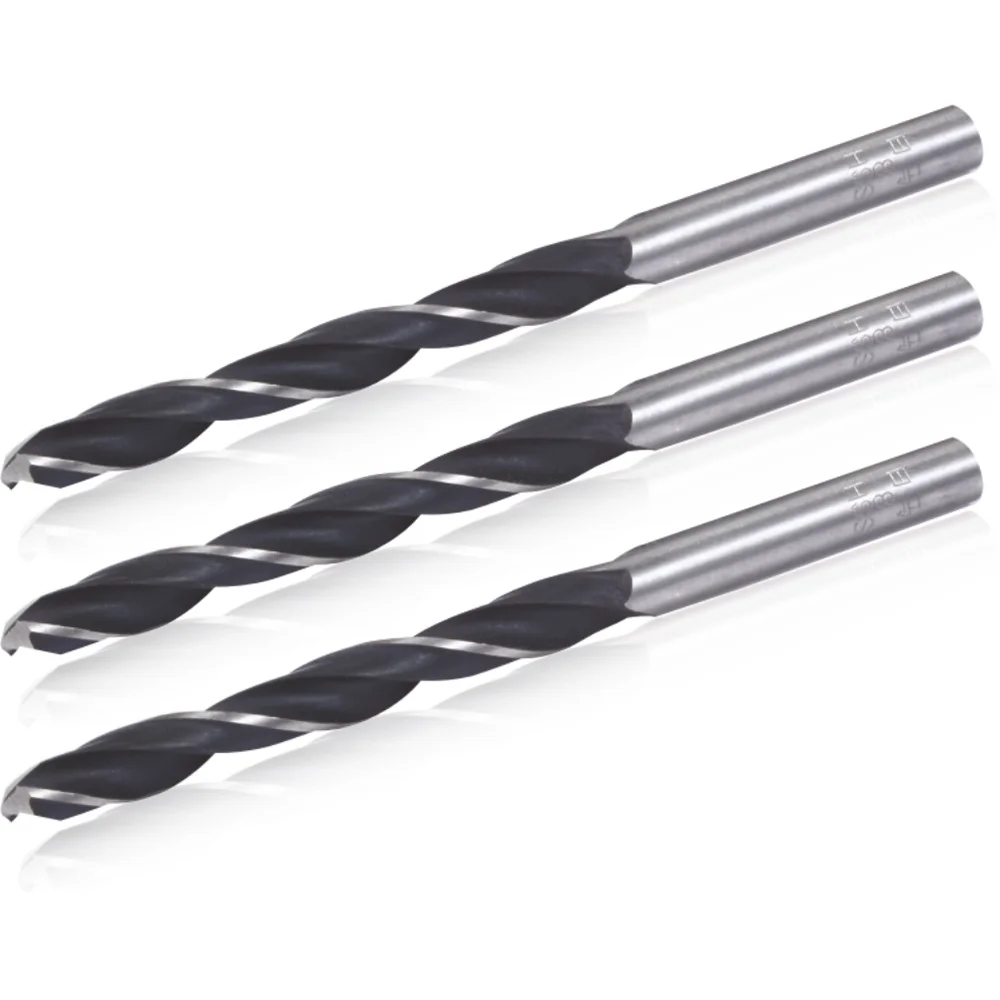
HSS Wood Twist Drill Bit for Woodworking
1. Why can HSS bits be used for wood?
HSS stands for High-Speed Steel. This material is much harder than standard carbon steel and can withstand higher temperatures during drilling.
-
Sharpness: HSS bits are usually ground to a very sharp edge, allowing them to slice through wood fibers easily.
-
Durability: Compared to cheap carbon steel bits, HSS bits wear down very slowly when used on wood, giving them a long lifespan.
2. Pros and Cons of Using HSS Bits on Wood
Pros:
-
Versatility: If you own a set of HSS bits, you can switch between metal and wood projects without needing multiple sets.
-
Heat Resistance: When drilling into hardwoods (like oak or maple), friction can generate significant heat. HSS bits won’t lose their “temper” (soften) under these conditions.
-
Availability: They are the most common and easily accessible drill bits on the market.
Cons:
-
Walking/Slipping: Most HSS bits are “twist drills” with a 118° or 135° tip. Because they lack a sharp center point, the bit may “walk” (skate across the surface) before it starts biting into the wood.
-
Tear-out: HSS bits may cause more “splintering” or “blow-out” on the backside of the wood compared to specialized woodworking bits, leading to a less clean exit hole.
3. Tips for Best Results
If you plan to use HSS bits for your woodworking project, follow these tips to improve accuracy and finish:
-
Mark a Starting Point: Use an awl, a center punch, or even a nail to create a small indentation in the wood. This prevents the bit from “walking” when you start.
-
Use a “Sacrificial” Backing Board: Clamp a piece of scrap wood underneath your workpiece. This supports the wood fibers as the bit exits, preventing the wood from splintering at the bottom.
-
Clear the Chips: Wood shavings (especially from resinous or wet wood) can clog the flutes of a twist drill. Use a “pecking” motion—pulling the bit out slightly every few seconds—to clear out the debris and prevent burning.
-
Manage Your Speed: * Large bits: Use a slower RPM to avoid friction burns.
-
Small bits: Can be used at higher speeds, but watch for smoke or discoloration.
-
4. When Should You Use Specialized Wood Bits?
While HSS twist bits work fine for general tasks, you might want to switch to specialized bits in these cases:
-
For precision centering: Use Brad Point Bits (they have a sharp spur in the middle).
-
For large, flat-bottomed holes: Use Forstner Bits.
-
For fast, rough holes: Use Spade Bits (Paddle bits).
Summary
For general DIY, furniture assembly, or rough construction, HSS bits are a perfectly capable choice. As long as you pre-mark your hole and use a backing board, they will deliver great results.